


Immediate Gpt
Immediate Gpt: Observing Market Behaviour Through Financial Study
Sign up now

Financial conversations frequently explore the internal organisation of trading environments. Analysts and observers often discuss how institutions, professional funds, and independent participants interact within markets. Looking at these relationships helps clarify why financial activity develops through collective participation and structural dynamics instead of appearing as isolated movements.
Another commonly explored subject focuses on how various assets respond under different economic conditions. Some markets experience stronger participation during periods of economic expansion, while other assets attract attention when financial conditions become more cautious. Observing these differences allows individuals to place trading discussions within a broader economic perspective.
Learning environments introduced through Immediate Gpt may guide individuals toward discussions that analyse these ideas in greater depth. Through conversations about asset behaviour, market participation, and shifting economic phases, learners may begin understanding how financial environments operate while recognising that cryptocurrency markets are highly volatile and losses may occur.
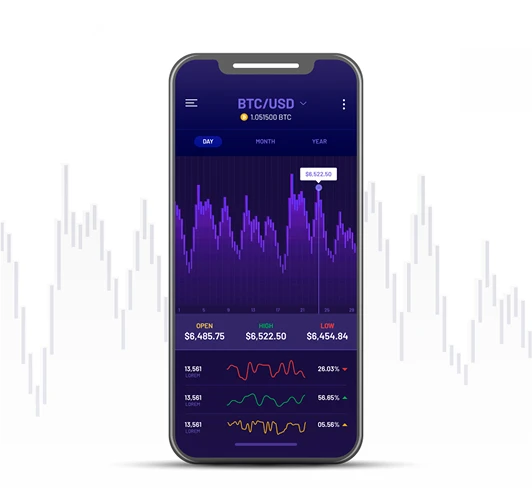
Trading conversations often interest individuals who wish to observe how financial systems respond to economic developments. Some readers explore these discussions to understand how market behaviour evolves across different economic situations. Others follow trading conversations to observe how expectations, sentiment, and economic signals appear within financial environments. Observing these discussions can provide insight into how financial activity sometimes develops across changing conditions.

Understanding financial concepts may help individuals interpret trading discussions more thoughtfully. Reviewing subjects such as economic developments, behavioural influences, and changing financial sentiment allows learners to observe how financial environments respond during different economic phases. This broader knowledge can make trading conversations easier to follow by placing financial activity within a wider economic context.

Immediate Gpt is intended for individuals who want to explore financial learning and observe how financial markets operate. Those interested in economic developments, market behaviour, and global influences may use environments introduced through Immediate Gpt to begin studying these subjects. Access to these discussions allows learners to see how financial environments function within broader economic systems.
Access to financial learning environments allows individuals to examine how financial systems function within wider economic settings. Educational discussions may review economic indicators, behavioural patterns within markets, developing financial trends, and international developments affecting financial activity. Observing these topics helps learners recognise how financial environments adjust when economic conditions evolve and gradually develop familiarity with how financial systems operate.

Understanding financial systems often develops through steady exposure to economic discussions and market information. Individuals who follow financial topics may review economic updates, compare past market conditions, and observe how financial activity behaves during different stages of economic cycles. These observations gradually strengthen awareness of how financial environments function. Looking at these developments across different time periods helps place market behaviour within a wider perspective.
Financial education environments often examine how various influences operate together within financial systems. Discussions may consider economic developments, behavioural responses among market participants, and shifts occurring across international financial environments. Exploring these influences together allows learners to see how conditions evolve over time.
Learning environments connected with financial topics often encourage thoughtful analysis. Instead of responding instantly to financial conversations, individuals are guided to pause, review available information, and examine how various elements within financial systems relate to each other.
Understanding financial systems often begins with observing how economic developments influence market environments. Individuals studying financial topics may review past financial conditions, examine behaviour within markets, and explore how economic signals appear in financial discussions. Observing these elements together helps learners recognise how financial environments respond to changing circumstances and how several influences operate within structured financial systems.
Educational conversations often highlight the importance of examining financial information carefully when observing market activity. As individuals explore financial topics, they gradually become familiar with economic developments, behavioural patterns among participants, and broader trends within financial environments. Observing these influences encourages thoughtful interpretation of financial discussions while acknowledging that cryptocurrency markets are highly volatile and losses may occur.
Financial discussions frequently involve terminology that may appear complex at first encounter. Over time, learners become familiar with expressions related to asset classifications, financial arrangements, and economic processes. As individuals observe how these terms appear in market discussions, financial language gradually becomes easier to interpret and follow.
Educational discussions often encourage individuals to observe how financial systems function before forming conclusions about trading environments. Reviewing economic developments, studying behavioural responses, and examining earlier financial situations allow learners to recognise how financial environments adjust when conditions change. This perspective helps individuals observe how different elements interact within organised financial systems.
Online platforms introduce individuals to environments where financial subjects are examined through organised discussions. Instead of offering instruction directly, the site connects learners with organisations that explore financial systems, economic developments, and structural aspects of financial environments. Through these discussions, individuals gradually develop a clearer understanding of how financial systems operate.
Financial discussions about trading often encourage individuals to explore market activity by examining ideas before reaching conclusions. Trading environments involve many interacting influences, and understanding how these connections function helps learners approach financial discussions with greater care. Question focused exploration allows individuals to observe trading environments more patiently instead of relying solely on immediate impressions.
Another topic frequently explored within trading education involves observing how trading strategies respond when financial conditions change. Economic developments, adjustments in regulatory environments, and shifts within global financial systems can influence how trading environments develop. Asking questions about these developments helps learners view trading ideas within a wider financial context.
Learning environments connected to trading discussions often highlight the importance of inquiry. Questions related to financial activity, market organisation, and trading processes encourage individuals to examine financial environments carefully while acknowledging that cryptocurrency markets are highly volatile and losses may occur.

Financial discussions often emphasise the importance of examining information using an organised approach. Financial environments produce many types of material, including economic reports, analytical descriptions, and numerical measures reflecting financial activity.
Observing these sources together allows individuals to recognise relationships between signals rather than viewing information as separate fragments.

Educational discussions frequently explain that financial information becomes easier to understand when examined as part of a wider context. Markets generate ongoing streams of reports, numerical indicators, and analytical commentary describing financial behaviour. Considering these materials collectively allows individuals to observe how financial environments emerge through the interaction of several influences.
Financial activity may appear misleading when surrounding influences are not considered. Institutional decisions, regulatory arrangements, and policy environments can shape how financial systems develop. Recognising these influences helps individuals interpret financial developments more carefully. Educational discussions therefore often highlight the importance of examining the broader setting before forming interpretations.
Financial systems operate through interconnected networks linking institutions, financial tools, and governing structures. These elements function together and guide how financial resources circulate across markets. Observing these relationships helps individuals recognise that financial environments operate through organised frameworks rather than isolated events.
Financial discussions rarely produce a single interpretation of market developments. Analysts may explain the same event in different ways depending on the frameworks they use. Observing these varying interpretations helps individuals understand how financial reasoning develops and how ideas evolve as different explanations are compared.
Financial systems evolve through developments occurring across several environments at once. Economic decisions, international events, regulatory changes, and actions by large financial institutions can influence market conditions simultaneously. When these forces appear together, financial activity may adjust gradually instead of moving along a simple path.
Because markets respond to many developments at the same time, recognising the exact point when conditions might change becomes challenging. Analysts often review several signals and surrounding developments before forming interpretations about financial behaviour.
Educational discussions frequently explain that financial activity reflects the interaction of numerous structural components within financial systems. Rather than following predictable patterns, market environments adjust as new influences appear and interact with existing conditions. Understanding this layered structure helps individuals recognise why identifying precise entry or exit moments may remain difficult even for seasoned observers.
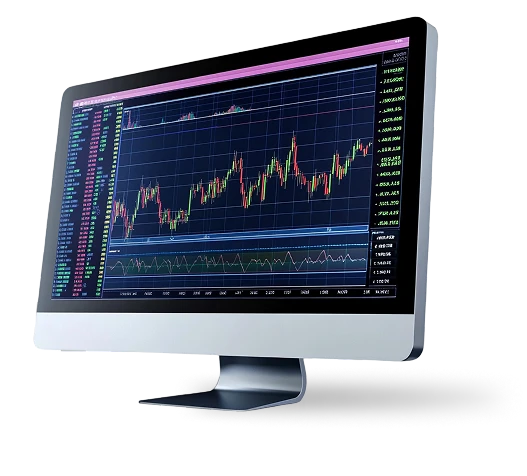
Financial systems frequently move through a sequence of phases shaped by broader economic developments. Periods of expansion, consolidation, decline, and recovery may appear as markets adjust to changing conditions. These transitions influence how participants observe financial environments and how activity develops across different market periods.
As markets move through these stages, participation and confidence among observers may shift. Some phases may encourage stronger engagement within financial systems, while others may lead individuals to observe conditions more carefully as environments adjust.
Educational conversations often explore how these recurring stages influence behaviour within financial environments. Studying how markets progress through different phases helps individuals recognise how cycles contribute to financial patterns while acknowledging that cryptocurrency markets are highly volatile and losses may occur.

Financial conversations frequently explore how individuals organise financial resources across different financial opportunities. Decisions about resource placement often involve examining personal objectives, expected timeframes, and the characteristics connected with various asset groups. Understanding these considerations helps learners recognise how financial decisions can be structured when preparing to participate within financial systems.
Learning environments associated with Immediate Gpt may present discussions describing how financial resources circulate within financial environments. Observing how capital may be spread across several financial settings allows learners to recognise how different allocation choices influence overall financial activity. These conversations show how financial systems reflect diverse strategic approaches.
Educational discussions also emphasise the importance of careful reflection when reviewing financial environments. Participants are encouraged to observe developments thoughtfully rather than reacting quickly to market movement. This perspective supports balanced evaluation of financial information while recognising that cryptocurrency markets are highly volatile and losses may occur.
Learning environments introduced through Immediate Gpt often guide individuals toward discussions describing how financial systems function under varying economic circumstances.
These conversations may explore economic indicators, historical market developments, behavioural patterns among participants, and broader financial shifts influencing financial environments. Studying these subjects together helps learners observe how multiple signals interact within organised financial systems.
Discussions connected with Immediate Gpt frequently examine how financial environments are evaluated through research and observation. Topics within these conversations may include economic reports, developments within trading environments, and global influences affecting market activity. Observing these exchanges helps individuals understand how financial conditions are examined within wider financial analysis.
Educational discussions introduced through Immediate Gpt may present financial developments from several analytical perspectives. Examining economic signals, financial behaviour, and earlier market examples together allows learners to observe how different elements interact within financial systems. Considering these viewpoints helps individuals recognise how financial environments adjust when economic situations change.
Learning environments associated with Immediate Gpt may also introduce individuals to more advanced ideas through structured discussions. Topics may include the organisation of financial systems, economic forces shaping financial environments, and behavioural reactions appearing within markets. Exploring these concepts helps learners develop a broader perspective on how financial systems function.
Educational environments connected with Immediate Gpt often encourage individuals to examine financial information carefully rather than relying on isolated indicators. Observing how economic signals, financial behaviour, and broader developments interact helps learners interpret financial discussions with greater awareness while acknowledging that cryptocurrency markets are highly volatile and losses may occur.
Financial systems often respond when new economic information enters public discussion. Data such as inflation statistics, employment updates, central bank interest rate decisions, and revised economic projections can affect how financial participants view current conditions.
These developments often influence expectations across markets and can contribute to shifts in trading behaviour as participants adjust their perspectives.
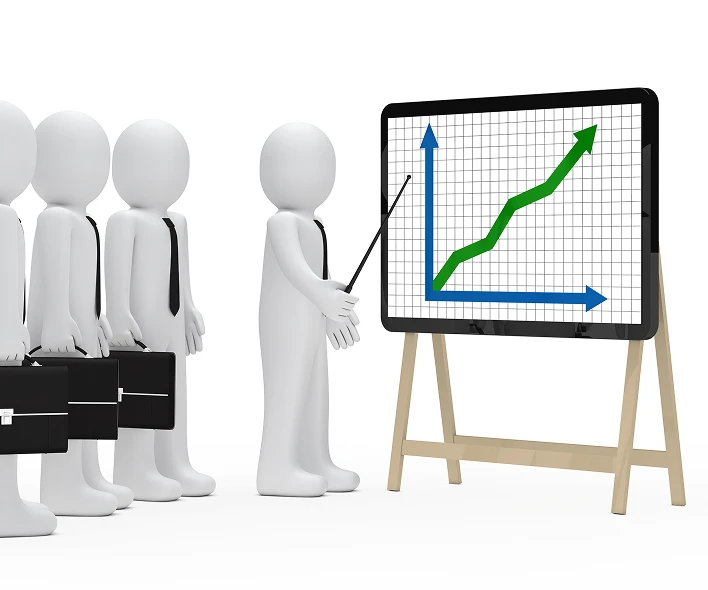
Market movements often provide insight into how financial systems evolve over time. Variations in price activity, changes in sentiment among financial participants, and shifting economic conditions can all influence how markets behave. Observing these developments allows learners to see how financial systems respond as economic environments continue to change.
Financial environments are influenced by many developments occurring at the same time. Economic reports, expectations among financial observers, international developments, and policy actions may all shape how markets behave. Trading discussions therefore often evaluate several signals together. Studying these influences helps individuals observe how financial environments respond when different developments interact.
Immediate Gpt guides individuals toward environments where financial subjects are discussed. Rather than delivering lessons directly, the site connects learners with organisations examining financial behaviour, economic developments, and wider influences affecting financial systems. Observing these discussions allows individuals to gradually recognise how financial environments operate and how multiple signals shape financial activity.
| 🤖 Enrollment Cost | Free of charge enrollment |
| 💰 Transaction Fees | No transaction fees |
| 📋 SignUp Procedure | Efficient and prompt registration |
| 📊 Curriculum Focus | Courses on Cryptocurrencies, the Forex Market, and Other Investment Vehicles |
| 🌎 Accessible Regions | Excludes USA, available in most other regions |
